What Happens to Tropical Fish When the Water Gets Too Cold
Cold slows tropical fish, dulls appetite and lowers resistance, but sudden swings are the real danger. The 22-28°C target, heaters, and outage tips.
AdThis article contains affiliate links. We may earn a commission at no extra cost to you.
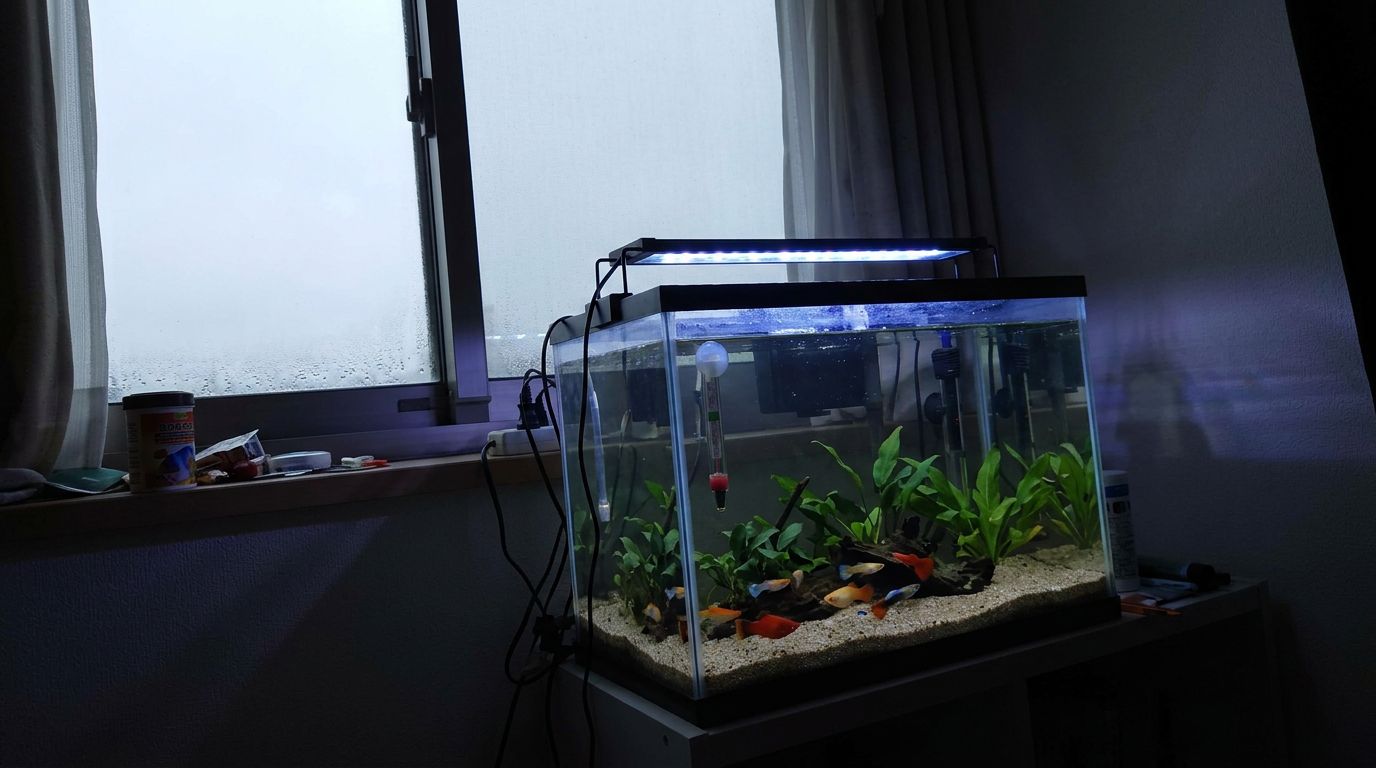
You walk up to the tank one morning and the fish are barely moving. The thermometer reads lower than usual. It's a familiar scene at the start of winter, and it raises the obvious questions: "Is a little drop okay?" and "Where does it start to get dangerous?" The short answer: tropical fish are comfortable at 22-28°C (72-82°F), and the thing that hurts them most is not low temperature itself but a sudden change. This article covers what cold does to your fish, what a heater is really for, and what to do when the power goes out.
The target range, and what "dropping" really means
For freshwater tropical and planted tanks, the guideline is 22-28°C (22-26°C for planted tanks). Tropical fish come from warm regions, and an unheated tank in a winter living room will fall below that range.
The key thing to understand is that temperature moves within a single day. Even if heating keeps the room warm in the afternoon, when the room cools overnight the tank follows. A fine reading at noon says nothing about the tank at 6 a.m. That is why checking at the same time each day matters.
What cold water does to fish
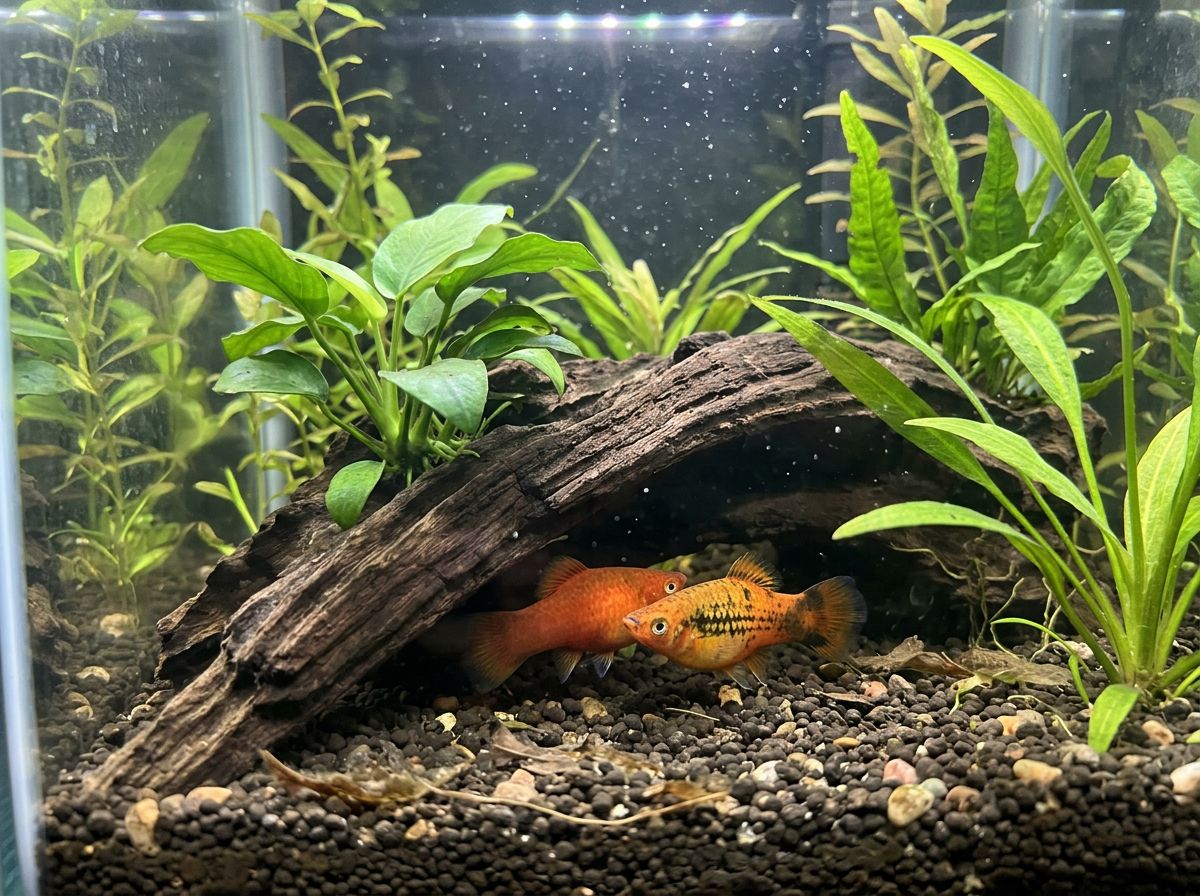
As temperature falls, you will generally see changes like these. None of them is guaranteed, but knowing the tendencies makes your observation sharper:
- Sluggishness: sitting low in the tank, slow and reluctant swimming
- Reduced appetite: slow reaction to food, more leftovers. Digestion is generally understood to slow in cold water, so if food is being left, feed less
- Lower resistance: fish are commonly said to become more susceptible to illness when cold
All of these show up in the five feeding-time checks: appetite, swimming, body, fins, and breathing. When your fish seem "off," make it a habit to glance at the thermometer before you start worrying about disease.
The real danger is a sudden swing
What gets overlooked in discussions of cold water is that how fast the temperature changes matters more than the number itself.
The reason you match new water to within 1-2°C of the tank during a water change is that abrupt temperature shifts are a major stressor. The same logic applies to winter room temperatures: a slow decline is far easier on fish than a big overnight plunge.
- The room goes cold after the heating is switched off at night
- A heater quietly stops working and nobody notices for days
- Cold tap water is used for topping off or water changes
These are the situations that create sudden swings. Put the other way around, keeping changes small and slow is the organizing principle of winter care.
A heater's job is to keep things stable
A heater warms the water, but its real function is holding the temperature at a set point and damping fluctuation. A heater with a built-in thermostat switches on when the water drops below the set point and off when it gets there, which is what keeps things steady.
- Choose a wattage matched to your tank's volume (check the manufacturer's rating)
- Place it in the flow and keep it fully submerged
- Manufacturers typically suggest replacing a heater after about a year, so note the date you put it in service
- Checking the temperature daily is how you confirm the heater is working
An Preset Aquarium Heater that holds a preset temperature is generally considered the easiest type for beginners to manage. Tank-size ratings and adjustment methods vary by product, so make sure the one you pick suits your setup.
Replacement timing and a pre-winter heater checklist are covered in a separate article.
Power outage or heater failure: focus on insulation
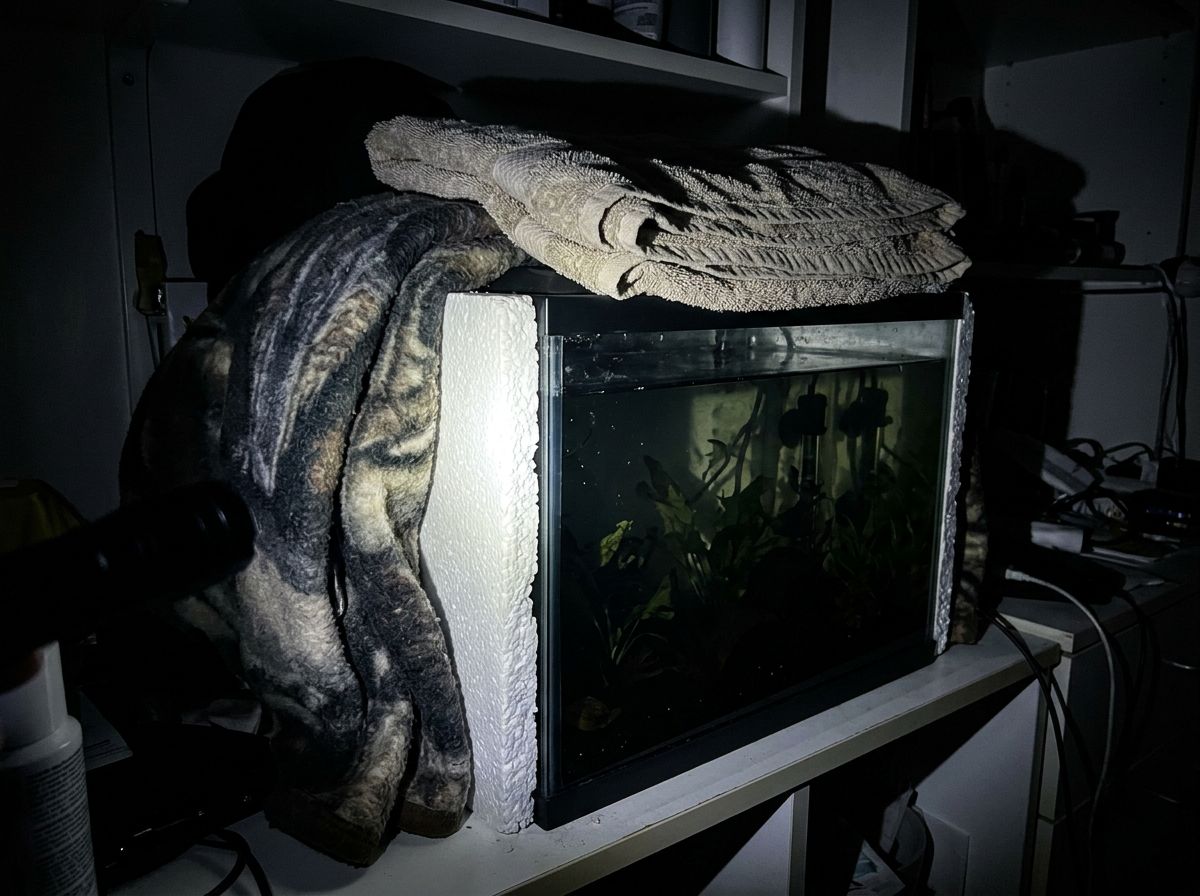
A winter power outage stops the heater and the filter at the same time. The tempting mistake is to warm the tank quickly, for example by pouring in hot water, but that just manufactures the sudden swing you are trying to avoid.
The rule is to focus on insulation, meaning hold on to the heat you already have.
- Wrap the tank in blankets, cardboard, or foam panels to cut heat loss
- Keep the lid on (a lot of heat escapes from the surface)
- Once power returns, let the heater bring the tank back up at its own pace
The same thinking applies if you suspect the heater has failed. Swap in a spare if you have one, and if you do a water change, match the temperature within 1-2°C.
FAQ
The tank is at 20°C. Do I need to act right now?
That is below the 22-28°C range, so first check whether the heater is working (power, setting, visible damage) and replace it with a spare if needed. Don't try to warm the tank rapidly; let the heater bring it back gradually. Note how the fish are behaving (appetite, swimming, breathing), and if they deteriorate, consult a fish store.
How should I feed when the water is cold?
If appetite is down or food is being left, cut back. Leftovers foul the water and put extra strain on fish already stressed by cold. If a heater is holding the tank in the comfortable range, feed as normal.
Does the same apply to a planted tank?
Planted tanks target a slightly cooler 22-26°C, but the principles of avoiding sudden swings and checking daily are identical. Plants often show temperature stress in their leaves, so watch them alongside the fish.
Summary
- Tropical fish are comfortable at 22-28°C (22-26°C for planted tanks)
- Cold water tends to make fish sluggish and reduces appetite and resistance
- Sudden swings are the biggest danger; keep changes small and slow
- A heater's job is stability, and a daily temperature check is your heater check
- In an outage or failure, insulate. Don't rush to reheat
Reading the thermometer first thing each morning catches most winter problems early. If you track it in the app, Aquarium flags readings green, yellow, or red against the target range and keeps your heater replacement reminder in the same place.
This article contains affiliate links. We may earn a commission at no extra cost to you.